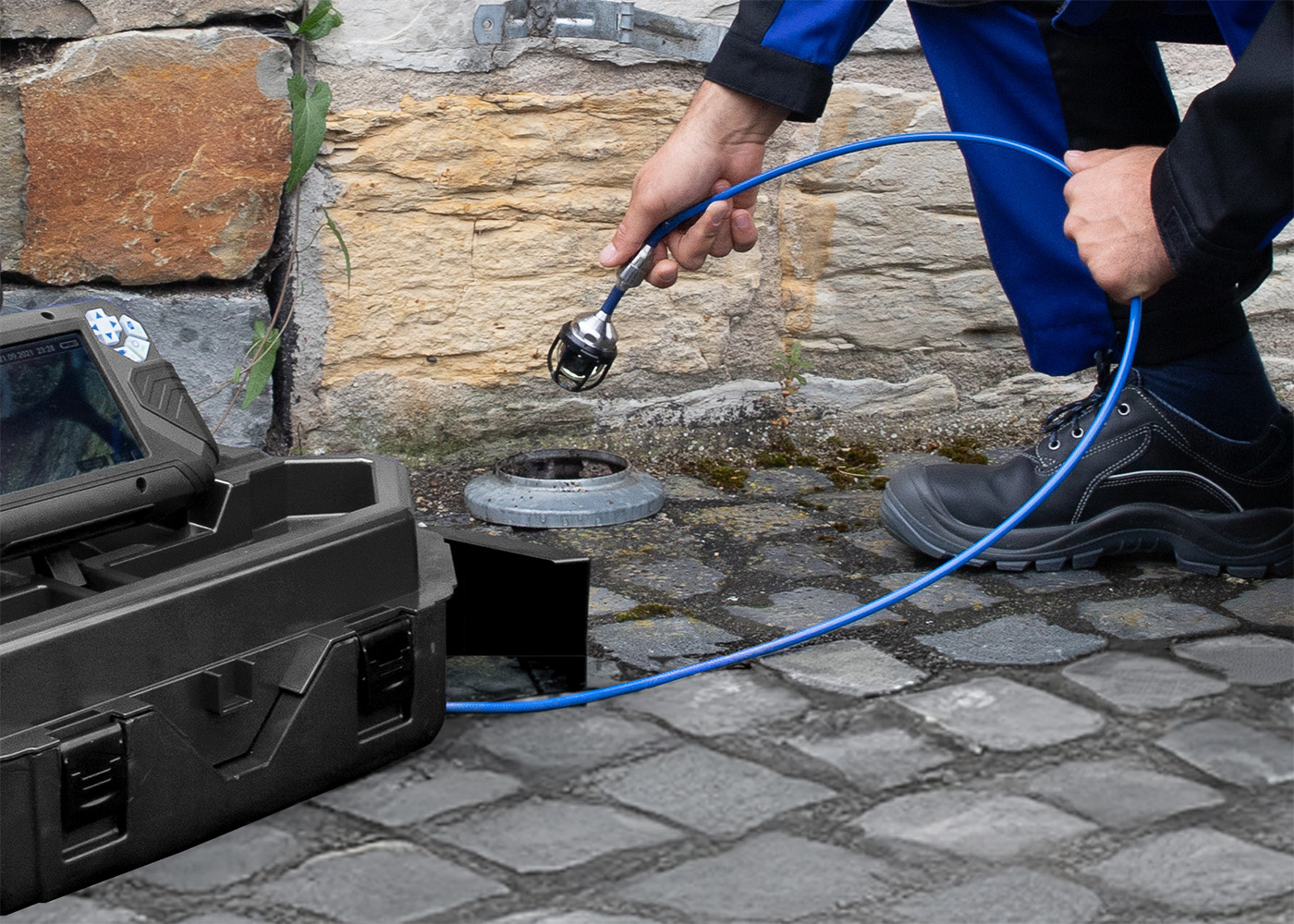












Camera inspection of a drainpipe
Other topics from this section:Even through normal usage, sewage and drainage pipes e.g. in kitchen or bathroom can become clogged very quickly. With an inspection camera these blockages and defects can be easily and quickly located.
Blockages in sewage and drainage pipes can be easily detected with a video inspection camera.
Drainpipes leading away from kitchens are often blocked by cooking grease and food waste as well as the buildup of limescale. The problems in pipes leading away from the bathroom can occur from deposits of hair, limescale and urine scale. However, shortcomings during construction work, such as sagging drainpipes, can be the reason why water may no longer drain away properly. A video inspection using a portable camera system can help to discover the cause of the problem. A video endoscope can also prove to be extremely useful when visually inspecting smaller drainpipes.
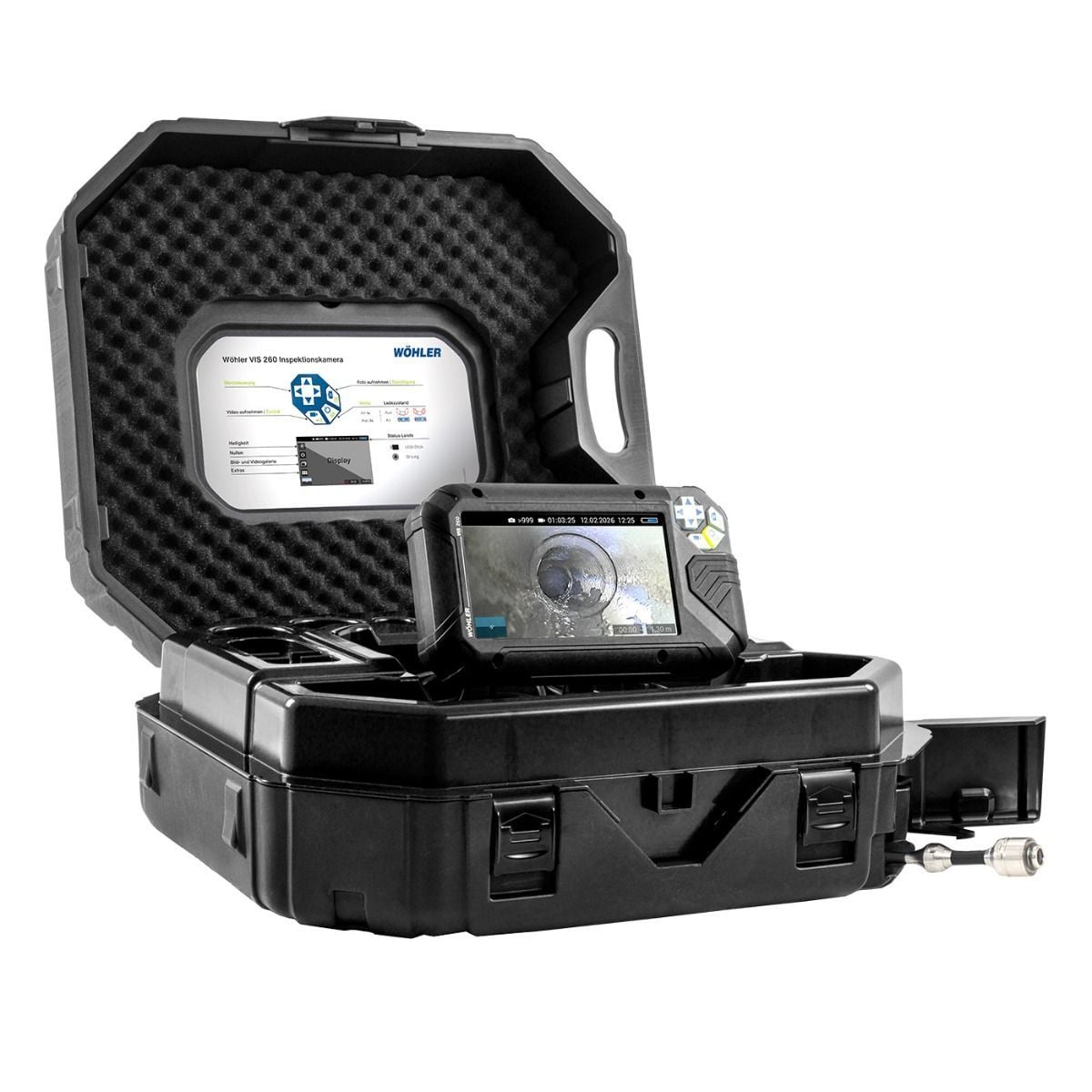
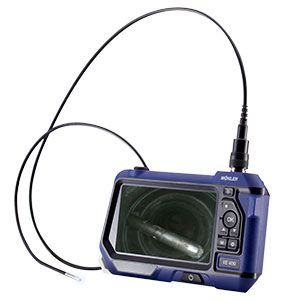
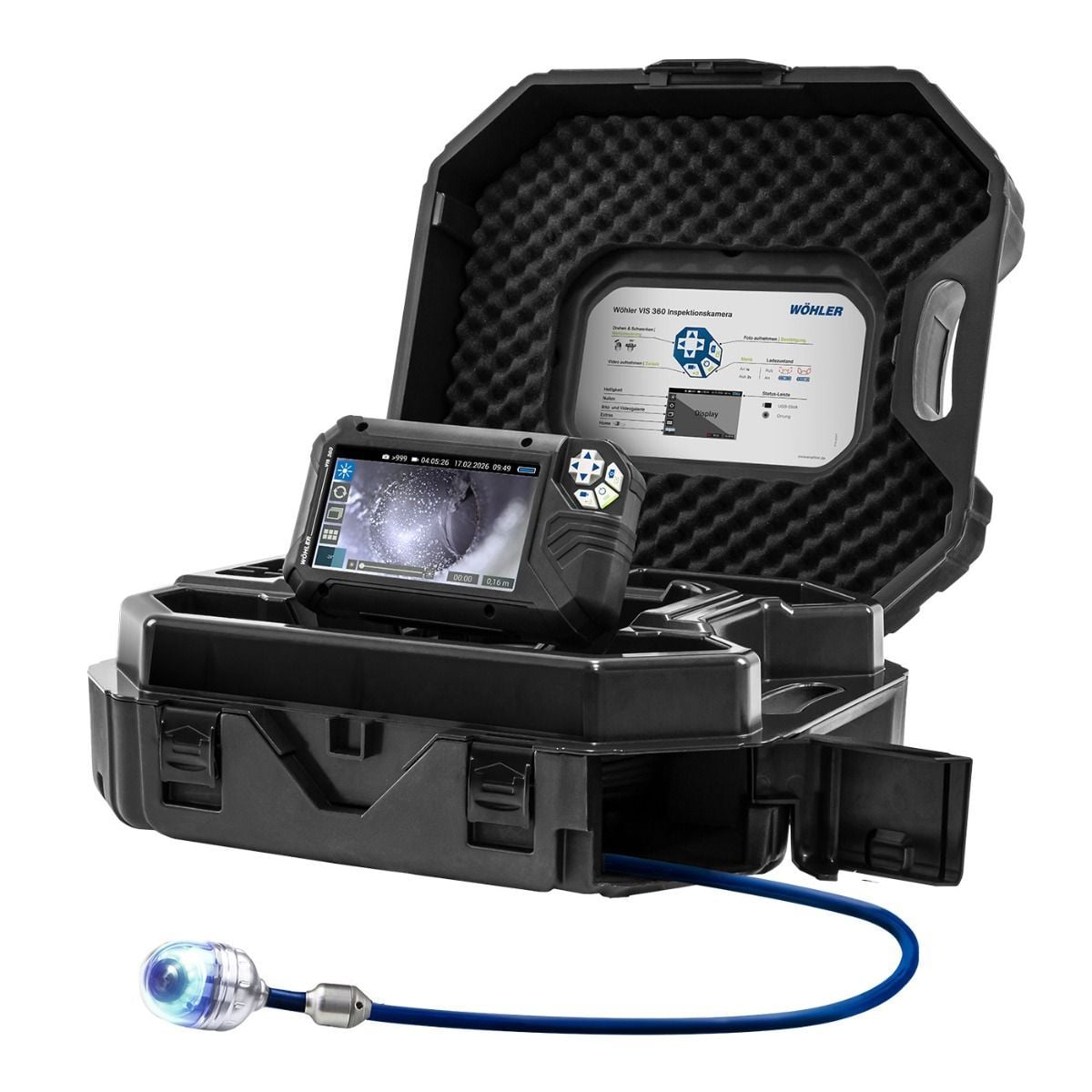
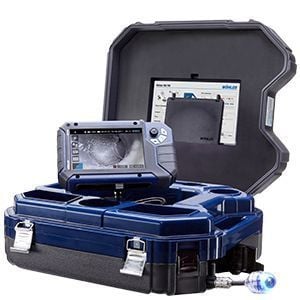
The video recordings of a visual inspection are not only interesting for the executing company, it also provides the customer with a precise view of the wastewater pipes.
Performing camera inspections of drainpipes
First remove the siphon under the sink. Push the miniature camera head into the drain pipe and inspect for possible blockages. Since sewage pipes should be installed with a certain gradient, you can take advantage of the angle & position display on the display. Due to its compact form, the miniature camera head is best suited for winding pipes.
When damage is detected, a digital meter counter helps to find the location. With the aid of the locator it is then possible to precisely locate the camera head and, as a consequence, pinpoint the location of the damage or blockage. This makes it possible to eliminate the problem with minimal damage to the wall or floor.
It is helpful to record the video made during the visual inspection of the drainpipes for documentation purposes. This is not only very important for the company doing the work, it is also of interest to the customer who can view the inside of their wastewater line. If damage to the wastewater line is suspected, a video recording offers a good basis to analyze the extent of the damage as well as to suggest the best option for repairs. For quality assurance purposes, it is advisable to inspect the drainpipes again with the camera after successfully completing the repairs.
Summary:
- By using an inspection camera, blockages, clogging and construction flaws can be quickly detected and located.
- Easy determination of work and cleaning requirements.
- The locator pinpoints damage and blockages precisely.
- Save imagery for documentation and customer acquisition