












Inspection of a duct system with an endoscope
Other topics from this section:Energy efficiency is important now more than ever. With the cost of electricity and fossil fuels on the raise, and building materials at an all-time high, it is imperative to make sure your HVAC systems are installed and operate properly.
Inspecting your ductwork is a key component to your buildings operation. Upon installation of the duct work, it is important to know that the installation meets both local code and energy efficiency standards. Problems such as collapsed ductwork, closed fire dampers, blockages and more could cost your project time and money. The use of an endoscope is a cost effective way to find potential issues before they become a problem. With the use of an endoscope you will in most cases, be able to inspect a system in a nondestructive manner. Simply install the endoscope into an air vent. In cases where you need to be in an area where there is no access, you can drill a 3/8” or smaller whole to insert the endoscope for your inspection. This is especially important when it comes to pre-inspections. Some contractors will test the equipment themselves to ensure that the installation will pass testing and balancing. This helps to avoid costly re-inspections if the system does not pass minimum requirements.
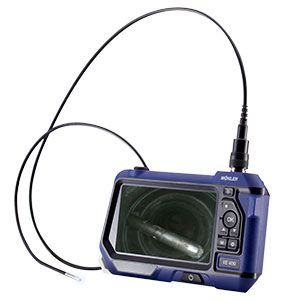
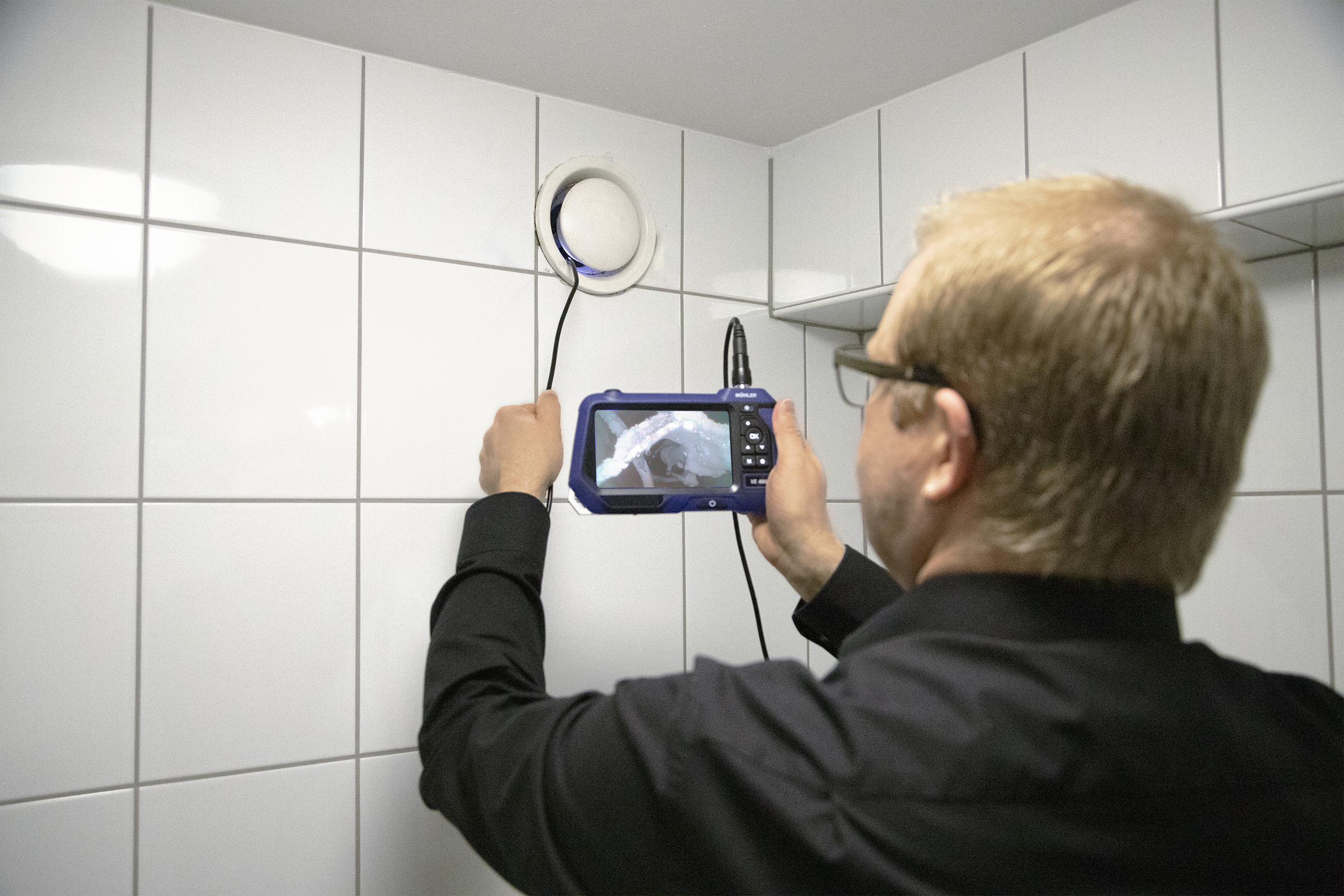
Having an endoscope in your toolbox is also a great way to inspect your ductwork on an annual basis. Inspecting your ductwork annually will help prevent potential problems down the road, make sure your ductwork is clean and debris free, and help with the health and safety of the buildings occupants.